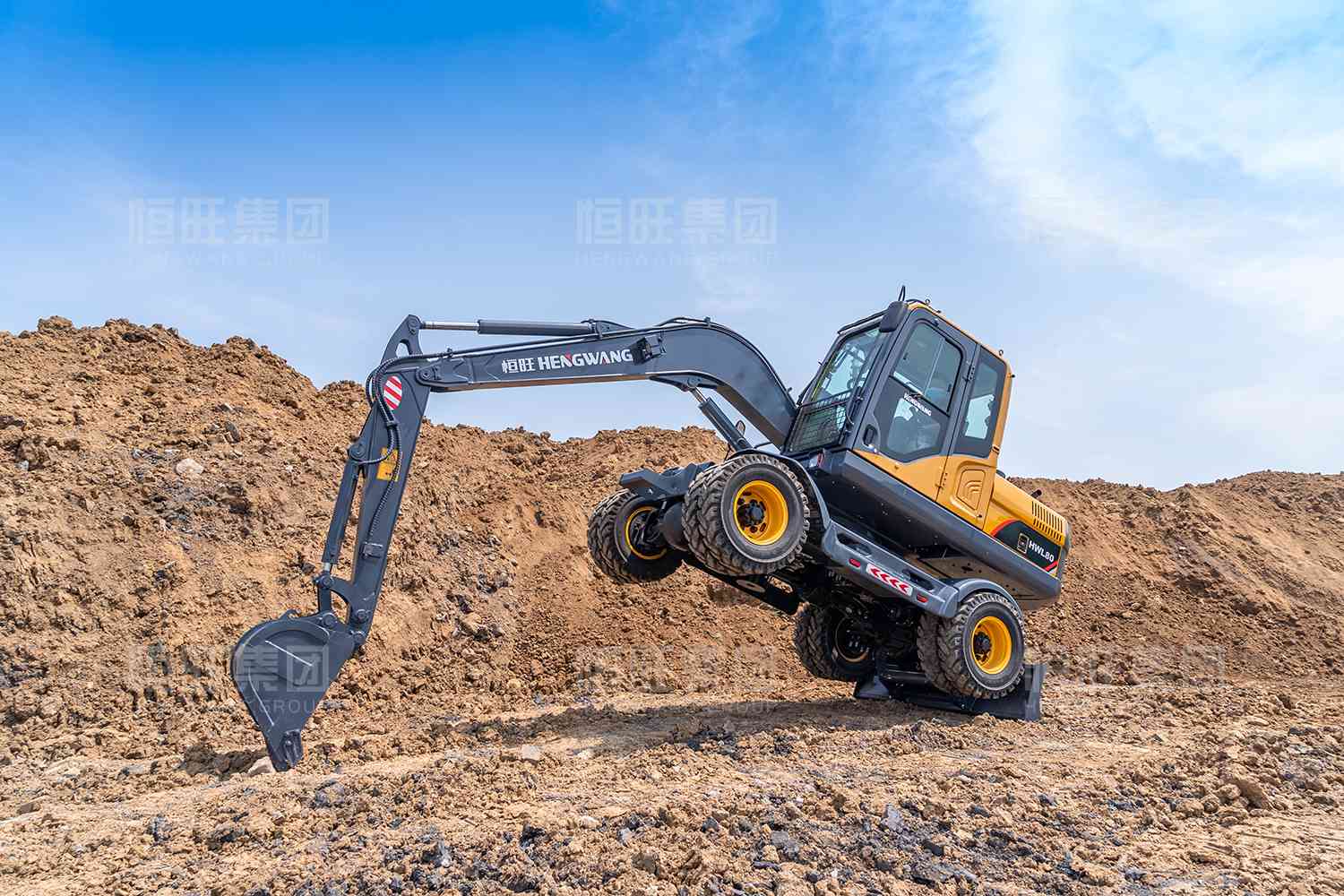
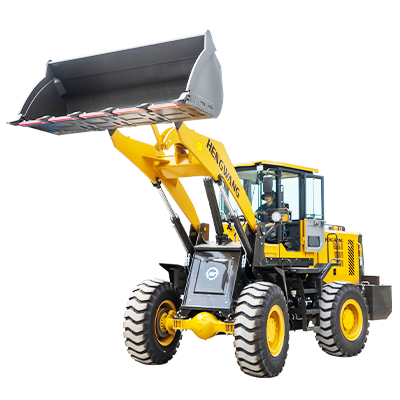
Ground Conditions: Wheeled excavators are suitable for hard surfaces (e.g., roads, compacted sites). Avoid prolonged driving on muddy or soft ground to prevent wheel slippage or sinking.
Driving Speed: Control the speed during road travel (typically ≤30km/h), reduce speed when turning, observe the surroundings, and avoid sudden braking that may shift the equipment's center of gravity.
Uphill/Downhill Operations: Keep the bucket low when going uphill, and slowly reverse when going downhill to prevent the body from tilting forward and losing control.
Outrigger Use: Always extend and level the outriggers before operation to ensure uniform force on all four outriggers, avoiding equipment tilting due to uneven ground.
Load Balance: The bucket load should not exceed the rated value during excavation, and movements should be smooth to avoid sudden digging or swinging that causes body shaking.
Center of Gravity Management: Keep the bucket close to the ground when transporting materials, and avoid sudden direction changes or bumps during travel to prevent cargo spillage or equipment rollover.
Tire Pressure Check: Inspect tire pressure daily before operation to ensure it meets the manufacturer's standards (typically 0.25-0.3MPa), and replace severely worn tires promptly.
Chassis Cleaning: Remove gravel and soil from tire grooves after operation to prevent foreign objects from damaging the tire tread or affecting the steering system.
Lubrication Maintenance: Regularly lubricate wheel axles, steering joints, and other parts to reduce mechanical wear.
Vision Confirmation: Observe the surrounding environment before operation to avoid underground facilities like cables and pipelines. The cab should be equipped with rearview mirrors and reversing cameras to ensure no blind spots.
Hydraulic System Monitoring: Pay attention to the hydraulic oil temperature (normal ≤80℃). If the temperature is too high, stop the machine for cooling to prevent component damage from system overheating.
Emergency Handling: In case of a tire blowout or equipment tilting, immediately stop operation, evacuate personnel, and contact professional maintenance staff. Forbid forced operation.
Conclusion: The mobility advantage of wheeled excavators relies on standardized operation. Focus on site adaptability, stability control, and equipment maintenance to ensure operational safety and efficiency.